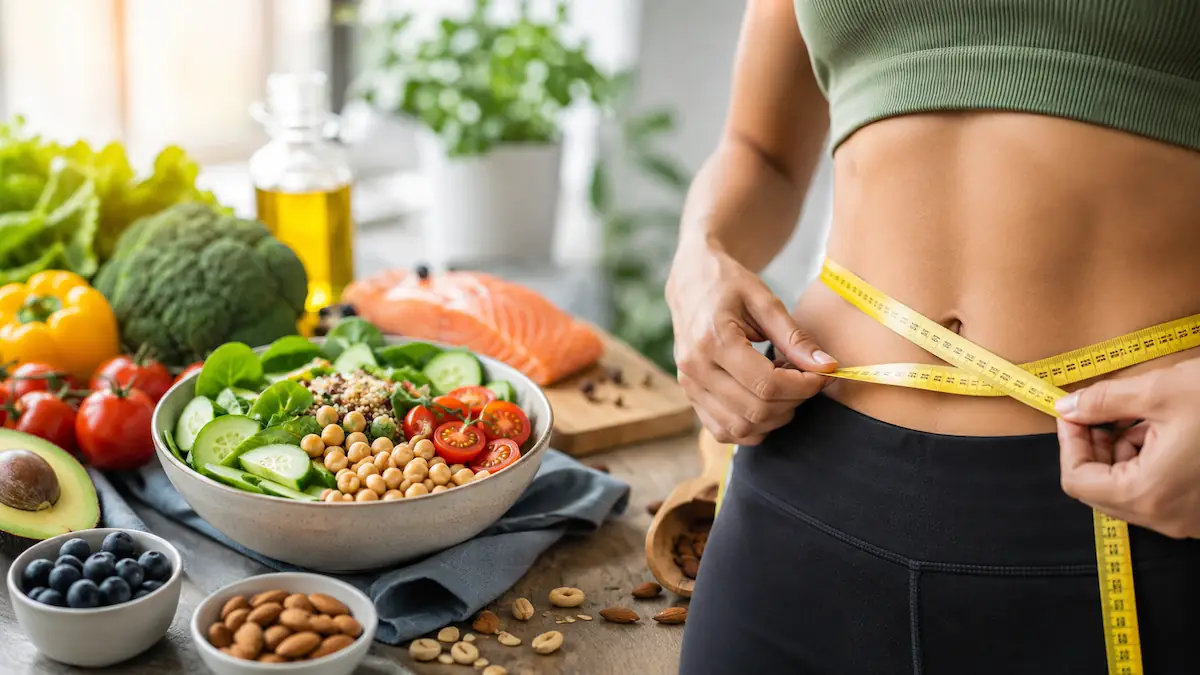
A healthier waistline usually isn’t the result of one “perfect” food, a punishing workout, or cutting out everything you enjoy. For most people, it comes from a collection of manageable habits repeated often enough to make a difference.
Maybe your mornings are rushed, lunch happens at your desk, and dinner turns into takeout because you’re exhausted. Then the weekend arrives, cravings hit, and Monday feels like another fresh start. That cycle is incredibly common.
The good news is that healthy eating for weight loss doesn’t have to mean living on salads or being hungry all day. A practical approach is to build meals around nutritious foods, stay active, pay attention to portions, and create routines you can actually maintain.
What Does a Healthy Waistline Really Mean?
Your waist size can provide useful information about health because carrying more fat around the abdomen is associated with a higher risk of certain weight-related health problems. Waist circumference is one measurement healthcare professionals may consider alongside factors such as BMI and overall health.
That doesn’t mean you need to chase a specific waist measurement or compare your body with someone else’s.
A better goal is to improve the habits that support your overall health.
What to Eat for a Healthier Waistline
There isn’t a single food that specifically targets belly fat. Instead, focus on foods that make nutritious meals satisfying and easier to maintain.
1. Fill Up on Vegetables
Vegetables are excellent building blocks for meals because they provide nutrients and fiber while adding plenty of volume.
Try:
- Broccoli, cauliflower, and Brussels sprouts
- Spinach, kale, and other leafy greens
- Bell peppers and tomatoes
- Carrots and green beans
- Squash and sweet potatoes
For example, instead of making pasta the entire meal, try a smaller serving of whole-grain pasta with grilled chicken and a generous portion of roasted vegetables.
2. Choose Protein-Rich Foods
Protein can be part of a satisfying meal and may make it easier to stick with your eating plan.
Good choices include:
- Eggs
- Chicken or turkey
- Fish and seafood
- Greek yogurt
- Cottage cheese
- Beans and lentils
- Tofu
- Nuts and seeds
The goal isn’t to eat enormous portions. Think about adding a reasonable protein source to breakfast, lunch, and dinner.
3. Pick Whole Grains More Often
You don’t have to eliminate carbohydrates to work toward a healthier waistline.
Oatmeal, brown rice, quinoa, whole-wheat bread, and other whole grains can fit into a balanced eating pattern. NIDDK recommends emphasizing vegetables, whole fruits, whole grains, and nutritious protein sources as part of a healthy eating plan.
4. Don’t Forget Whole Fruit
Fruit can satisfy a sweet craving while providing nutrients and fiber.
Try berries with Greek yogurt, an apple with a small amount of peanut butter, or sliced fruit alongside breakfast.
Whole fruit is generally a better everyday choice than relying heavily on fruit juice, which can make it easier to consume calories quickly.

Foods That May Make Weight Loss Harder
You don’t have to completely ban pizza, cookies, burgers, or ice cream.
Instead, pay attention to foods and drinks that can provide lots of calories without being particularly filling. Sugary drinks are an easy example. Soda, sweetened coffee drinks, energy drinks, and other sugary beverages can add substantial calories to your day.
A practical swap might be sparkling water, unsweetened tea, or plain water most of the time.
The same principle works with restaurant meals. If your entrée is very large, consider eating part of it and saving the remainder for another meal. NIDDK specifically recommends portion awareness when eating at restaurants.
Healthy Waistline Tips That Actually Fit Real Life
Build a Simple Breakfast
If mornings are chaotic, don’t aim for a complicated recipe.
Try oatmeal with berries and nuts, eggs with whole-grain toast, or Greek yogurt with fruit.
The best breakfast is often the one you can prepare consistently.
Plan for Office Lunches
Imagine you’re hungry at 12:30 p.m. and there’s nothing prepared. The vending machine or fast-food drive-through suddenly looks much more appealing.
Keep easy options available, such as leftover chicken and vegetables, a turkey-and-vegetable wrap, or a bean and grain bowl.
Handle Late-Night Cravings
A craving doesn’t mean you’ve ruined your progress.
Pause and ask yourself whether you’re actually hungry, bored, stressed, or simply following a routine.
If you’re hungry, choose a satisfying snack. If you’re not, try changing the environment—make tea, brush your teeth, read, or step away from the kitchen.
Make Weekends Part of the Plan
One of the most common problems is being extremely strict Monday through Friday and then treating Saturday and Sunday as a free-for-all.
Instead, leave room for foods you enjoy while keeping portions reasonable.
Consistency over the entire week matters more than having a “perfect” weekday.
How to Reduce Waist Size Naturally
You can’t choose exactly where your body loses fat first. That’s why endless abdominal exercises aren’t a reliable strategy for specifically removing belly fat.
Instead, focus on habits that support overall weight management:
- Eat mostly nutrient-dense foods.
- Keep portions appropriate for your needs.
- Drink fewer sugar-sweetened beverages.
- Get regular physical activity.
- Include muscle-strengthening exercise.
- Sleep adequately and manage stress.
- Track habits rather than expecting overnight changes.
For generally healthy adults, NIDDK points to at least 150 minutes of moderate-intensity aerobic activity per week, along with muscle-strengthening activities on at least two days. If you’re currently inactive, starting with shorter sessions and gradually building up is reasonable.
A 20-minute walk after dinner is still a useful habit. You don’t need to start with an hour-long gym session.
Healthy Habits for a Smaller Waistline
Think beyond food.
Your weight can be influenced by many factors, including activity, sleep, medications, health conditions, genetics, and everyday environment.
That’s why a sustainable approach might look like this:
| Habit | Simple starting point |
|---|---|
| Movement | Take a daily walk |
| Strength | Exercise major muscle groups 2 days a week |
| Meals | Include protein and vegetables |
| Drinks | Choose water more often |
| Portions | Eat slowly and check hunger |
| Planning | Prepare one or two meals ahead |
| Sleep | Create a consistent bedtime routine |
You don’t have to change everything on Monday.
Choose two habits first. Once they become routine, add another.
What About Exercise for Your Waist?
Walking, cycling, swimming, dancing, strength training, and other activities can all contribute to a more active lifestyle.
Core exercises such as planks and abdominal movements can strengthen your muscles, but they shouldn’t be viewed as a way to selectively burn abdominal fat.
Think of exercise as part of your overall health strategy rather than punishment for what you ate.
Common Mistakes to Avoid
Eating too little: Extreme restriction can be difficult to maintain and may leave you overly hungry.
Labeling foods “good” or “bad”: A rigid mindset can make one indulgent meal feel like failure.
Only exercising: Physical activity is valuable, but food choices and overall calorie intake also matter for weight management.
Expecting fast results: Body weight and waist measurements naturally fluctuate. Look at longer-term trends instead.
Trying to be perfect: Missing one workout or eating dessert doesn’t erase your healthy habits.
Want More Structure With Your Weight-Loss Journey?
Some people prefer figuring things out independently. Others find it easier when they have a structured product or plan to follow.
If you’d rather have more structure instead of making every decision yourself, you may want to take a closer look at KetoSana – Metabolic Breakthrough Drops, which you provided as a weight-loss supplement recommendation for the DACH market.
Because no product details, ingredient list, clinical evidence, or specific benefits were provided for this recommendation, I’m not going to make claims about what the product can do or promise particular results. Review the product information carefully and consider discussing supplements with a qualified healthcare professional, especially if you take medications, are pregnant, or have a medical condition.
Learn more about KetoSana – Metabolic Breakthrough Drops
Affiliate disclosure: This article may contain affiliate links. If you purchase through one of these links, we may earn a commission at no additional cost to you.
Frequently Asked Questions
What should I eat for a healthier waistline?
Build meals around vegetables, whole fruits, whole grains, and nutritious protein sources. Keep highly processed foods and sugar-sweetened drinks in moderation while paying attention to portions.
How can I lose inches around my waist?
There’s no reliable way to target fat loss from only your waist. A sustainable eating pattern, regular activity, strength training, and other healthy lifestyle habits can support overall weight management.
Can walking help reduce waist size?
Walking increases physical activity and can support weight management when combined with appropriate eating habits. Start with an amount you can maintain and gradually increase your activity.
Do I need to stop eating carbohydrates?
No. Foods such as oats, brown rice, quinoa, potatoes, and whole-grain bread can fit into a balanced eating pattern.
How often should I exercise?
A common guideline for healthy adults is at least 150 minutes of moderate aerobic activity each week, plus muscle-strengthening activity on at least two days. Start gradually if you’re currently inactive.
Can I eat dessert while trying to lose weight?
Yes. A sustainable plan can include foods you enjoy. The key is frequency, portion size, and how those foods fit into your overall eating pattern.
What if I have a medical condition?
Talk with a qualified healthcare professional before making major changes to your diet, exercise routine, or supplement use. Certain conditions and medications can affect weight management and what approach is appropriate.
The Bottom Line
A healthier waistline isn’t built by chasing the newest diet or trying to eliminate every food you love. It comes from habits you can repeat—eating nutritious meals, managing portions, moving regularly, getting enough rest, and learning how to handle the situations that usually knock you off track.
Start small. Maybe that means replacing one sugary drink each day, taking a walk after dinner, adding vegetables to lunch, or preparing tomorrow’s breakfast tonight.
Those changes may seem ordinary, but ordinary habits are often the ones you can keep.
If you’d prefer a more structured approach, you can learn more about the KetoSana product here:
KetoSana – Metabolic Breakthrough Drops
Medical disclaimer: This article is for educational purposes only and is not a substitute for individualized medical advice, diagnosis, or treatment. Individual weight-management results vary based on many factors, including diet, activity, sleep, medications, health conditions, and consistency.